What a weekend at VIR taught me about slick tires, preparation, and earning the next step.
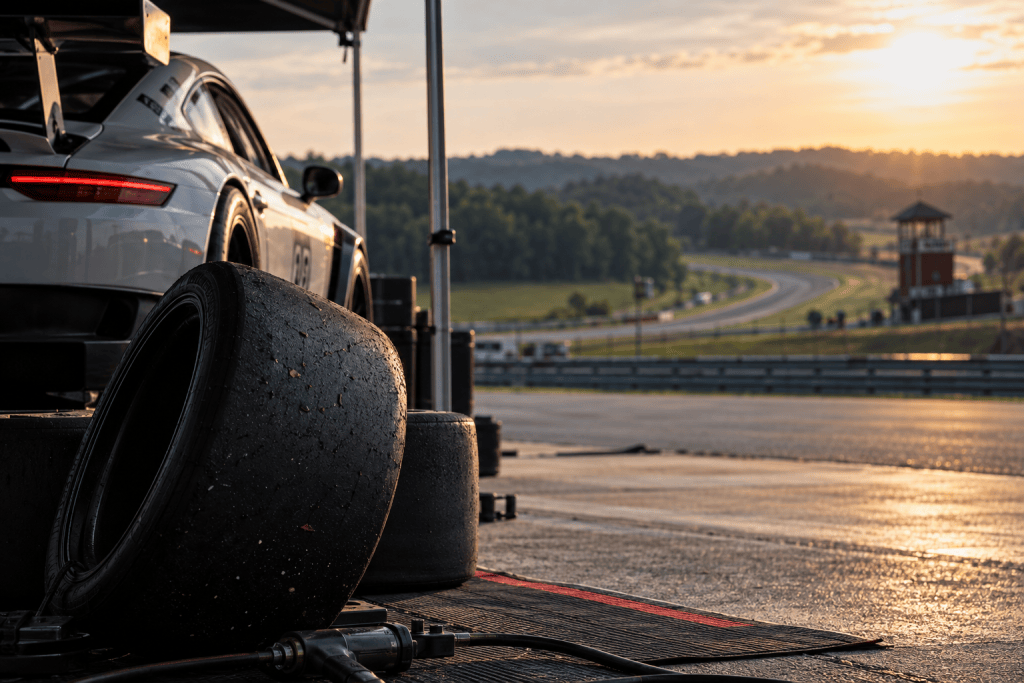
I wrapped up my time at Virginia International Raceway with the PCA First Settlers Region, but the weekend left me with more to think about than just laps.
After a few initial runs on Friday, I found myself down a different kind of rabbit hole.
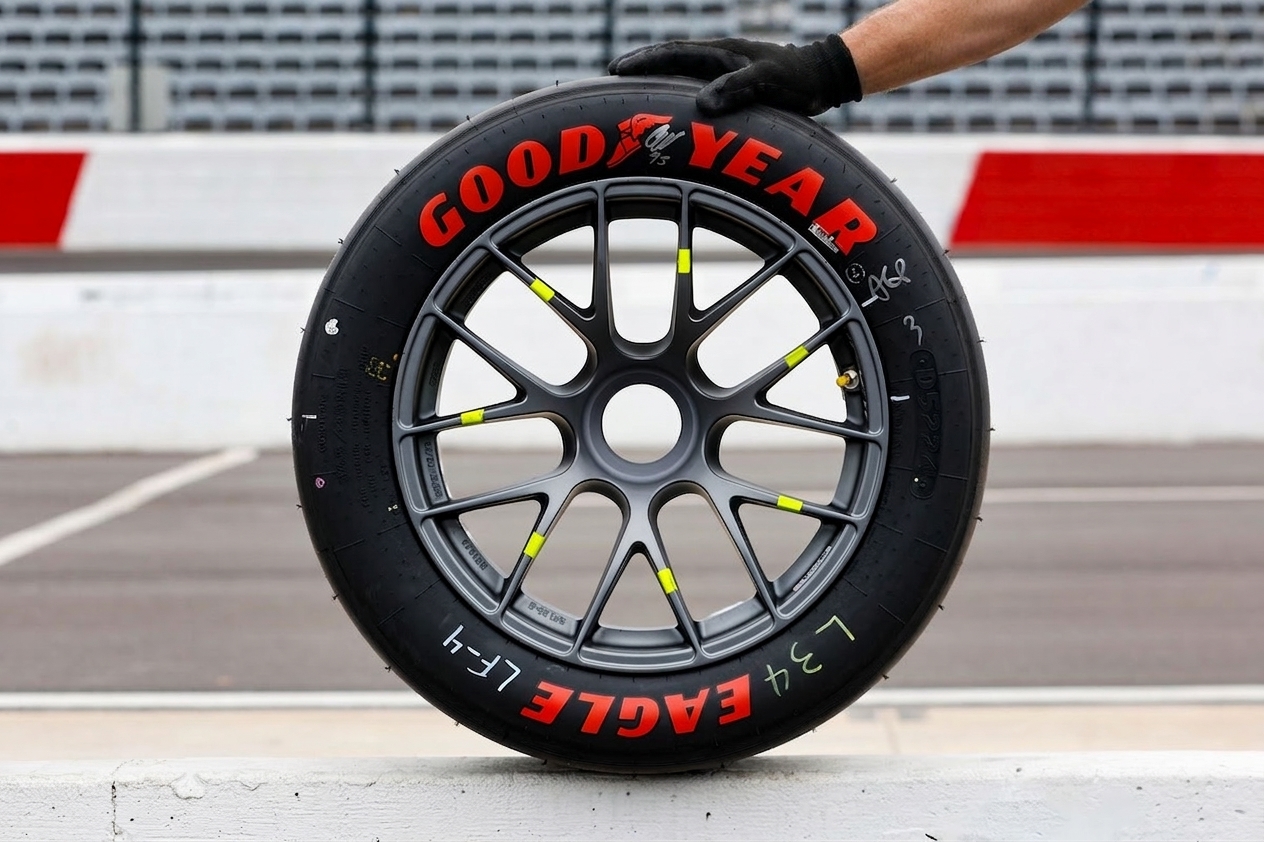
Slick tires.
Onboard footage. Data traces. Compound breakdowns. Discussions about temperature windows, grip characteristics, and what actually changes when you move beyond a conventional treaded performance tire.
The more I researched, the more I realized just how much there is to learn.
Because slicks change everything.
Less margin. More information.
There's something fascinating about a tire designed to do one thing exceptionally well: put rubber on the track and turn that contact into grip.
Without tread patterns, slicks maximize the available contact patch in dry conditions. But that grip comes with its own set of demands. Temperature matters. Tire condition matters. Setup matters. So does the driver behind the wheel.
You can't simply bolt on a set of slicks and expect a transformation.
You have to understand what the tire needs, how it communicates, and where its limits are. You have to understand how your inputs affect the car and how the data reflects what's happening beneath you.
Every lap becomes another opportunity to connect theory with reality.
And that's the part that has me hooked.
I'm not just looking at slicks as the next piece of equipment. I'm trying to understand the system around them — the preparation, the driving technique, the feedback, and the decisions that make the most of the grip available.
The faster the equipment gets, the more important it becomes to understand what you're asking it to do.
I've felt this before.
Once, as a kid, I stood at the top of a skateboard ramp, looking down at something I'd never dropped into before.
You can watch other people do it. You can study their approach. You can tell yourself you've figured out the mechanics.
But eventually, you have to decide whether you're ready to commit.
The ramp doesn't care how much you've thought about it.
The skateboard doesn't care if you're nervous.
And neither will a set of slicks.
That feeling has stayed with me. Not because the fear disappears, but because preparation starts to outweigh uncertainty. You begin to understand what you're looking at. You recognize the risks. You stop treating the unknown as an impenetrable wall and start breaking it down into things you can learn.
That's where I am right now.
I'm not there yet.
And I'm okay with that.
The work happens before the green flag.
It's easy to focus on the visible parts of motorsport: the cars, the lap times, the passing, the sound, and the moments when everything comes together.
But much of driving development happens off the track.
It's the hours spent reviewing onboard footage. The time spent comparing data. The questions you ask other drivers. The details you research because you want to understand why something works, not just copy what someone else does.
It's recognizing what you don't know and being willing to do the work to close that gap.
For me, the slick-tire rabbit hole is about more than tire selection. It's about becoming a more informed driver — someone who understands the equipment, respects the learning curve, and can make better decisions because of the work put in beforehand.
Confidence isn't pretending you have nothing left to learn.
Sometimes, confidence is knowing exactly how much you still have to figure out and being excited to get started.
Closer than I've ever been.
I left VIR with plenty still to learn, but also with a clearer sense of direction.
The research is making more sense. The technical details are starting to connect. What initially felt like a huge unknown is becoming a collection of questions I can work through, one at a time.
The fear hasn't disappeared. It has simply become more useful.
It's pushing me to prepare, to study, and to respect the step I'm considering taking.
I'm not ready to call myself a slick-tire expert. I'm not going to pretend that watching enough onboard footage makes up for experience behind the wheel.
But I'm closer than I've ever been.
And for now, that's enough to keep moving forward.
Because the goal isn't to eliminate every unknown before taking the next step. It's to do enough work that when the opportunity comes, you're ready to make the most of it.
The math is starting to make more sense than the fear.
And I'm looking forward to finding out what happens when the two finally meet at the track.